
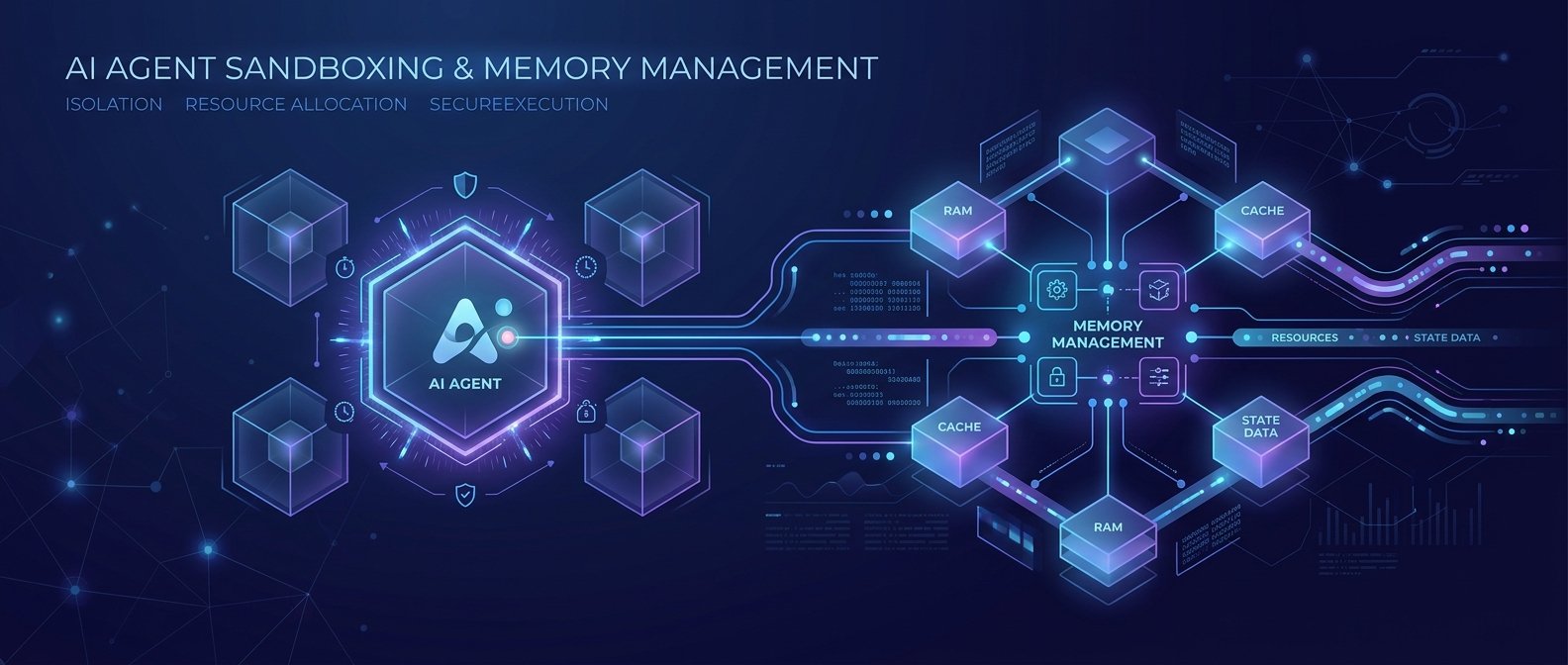
📌 本文重點
- Agent 要被關在嚴格 sandbox 與工具層裡
- 記憶要分層,記流程不記祕密資訊
- 用事件流與回放讓 Agent 可觀察、可控
在 SaaS 裡塞一個 AI Agent,難點不是「會不會寫 prompt」,而是如何讓它在有限權限下,持久又安全地幫你自動化真實工作流程。沒 sandbox、沒記憶設計的 Agent,只適合做 demo:一旦上線,就會變成「拿著 admin key 的高智商腳本小孩」。
這篇從 AI Agent Sandboxing for SaaS 與 AI Agent Memory for SaaS 的思路出發,拆成你實作時一定會遇到的四個骨架:
- 權限與邊界:sandbox + 能力分級 + 審計/回放
- 記憶設計:短期 vs 長期組織記憶 + 何時忘記
- 資料模型與基礎設施:event sourcing + 任務關聯 + RAG 整合
- 開票/CRM 更新 Agent 實作雛形與踩坑清單
重點說明
1. Sandboxing:把 Agent 關在「業務安全區」裡
目標:讓 Agent 有用,但永遠拿不到 root 权限。
💡 關鍵: 先設計權限邊界,再讓 Agent 介入,才能避免它變成拿著 admin key 的「高智商腳本小孩」。
核心做法:
- 能力分級(建議至少三層)
- read-only:只能查詢 / 檢索(查訂單、查發票、查 CRM)
- scoped-write:限制在特定資源 + 明確條件(只能建立 invoice 草稿、只能改自己 owner 的 lead)
-
admin-like:極少數動作(例如退款、刪除發票),預設關閉,需人工審批或 feature flag
-
工具層 sandbox(而非讓 LLM 直呼 DB / 外部 API)
- 對 LLM 暴露的是受控工具 API,例如:
AgentTools.create_invoice_draft,而不是POST /invoices原始 API -
工具層做 參數校驗、權限檢查、rate limit、審計 log
-
可回放測試 / 審計 log
- 每次 Agent 決策,記錄:
tool_call(名稱 + 參數)- 結果摘要(避免 log 泄露敏感資料)
- 關聯
user_id / org_id / conversation_id / task_id
- 可以在 staging 用「回放同一串 event」重跑一遍,驗證升級後模型或 prompt 不會炸庫。
2. 記憶設計:記住工作流,不記住祕密
實務上可以拆成三層記憶:
- 短期上下文(working memory)
- 單次任務/對話的上下文,存在
conversation_state或臨時向量 store -
存活時間:幾分鐘到幾小時,任務結束後視情況壓縮成事件摘要
-
長期組織記憶(org memory)
- 公司政策、常見流程、產品價目表、範本回覆
- 存在 RAG + metadata(org_id, version, valid_from, valid_to)
-
修改政策時不覆蓋舊文,而是加新版本 + 標記舊版過期
-
個人偏好 / 使用者設定
- 比如:某 Sales 喜歡用英文回 mail、預設稅率 5%
- 存在
user_preferences表或 key-value store,與 org policy 分離
「何時該忘?」幾個實務策略:
- 預設不把 user prompt 原文存成長期記憶,只保存「必要摘要 + 事件」,例如:
- ❌ 存「請幫我開票給 XX 公司,統編 12345678,地址是…」
- ✅ 存「2025-06-01 開立發票 INV-001, buyer=XX 公司, amount=10,000, owner=user_123」
- 設 retention policy:
- 短期記憶(對話內容)保留 30 天,之後只留聚合統計 / 匿名化摘要
- 向量記憶可定期跑 job:找到稠密但從未被命中的 embedding → 刪除或降精度存儲
💡 關鍵: 記憶層只存「去敏的業務事件」,既符合隱私需求,又保留足夠資訊讓 Agent 持續學習與優化。
3. 資料模型與基礎設施:把 Agent 行為變成事件流
為了可觀察、可回放,建議用輕量的 event sourcing 思路:
agent_sessions:一次使用者啟動 Agent 的 sessionagent_tasks:對應一個業務任務(例如「為 ticket#123 建立 invoice」)agent_events:細顆粒度事件(tool call、LLM decision、error)
搭配:
conversation_id:對話 thread ID(多輪聊天)task_id:業務任務 ID(可以跨多個對話)org_id / user_id:用來分庫、分 tenant、做權限控制
與現有 DB/RAG 的整合方式:
- 把業務資料留在原本的 transactional DB
- Agent 不直接 query DB,而是走你包好的
BusinessAPI或工具層 microservice - 長期記憶 / 知識庫:用 RAG(可參考
jamwithai/production-agentic-rag-course的 patterns),但: - 純「查詢」→ read-only 工具
- 「根據 RAG 結果改資料」→ 一律走 scoped-write 工具並寫 event log
💡 關鍵: 把 Agent 所有操作轉成事件流,才能事後追蹤、審計與在 staging 做「重放實驗」。
實作範例:開票/CRM 更新 Agent 雛形
下面用 pseudo code 展示一個典型「讀 ticket → 建發票草稿 → 更新 CRM」的 sandbox + memory schema。
1. 工具層 sandbox 定義
// 工具層:只暴露給 Agent 這些「安全操作」

interface AgentContext {
  orgId: string;
  userId: string;
  role: 'read_only' | 'scoped_write' | 'admin';
  taskId: string;
}

class AgentTools {
  constructor(private ctx: AgentContext) {}

  // 讀取支援 ticket(read-only)
  async getSupportTicket(ticketId: string) {
    assertRole(['read_only', 'scoped_write', 'admin'], this.ctx.role);
    const ticket = await TicketService.getById(this.ctx.orgId, ticketId);
    await AgentAudit.log({
      type: 'tool_call',
      tool: 'getSupportTicket',
      ctx: this.ctx,
      input: { ticketId },
      outputSummary: { status: ticket.status }, // 避免 log 敏感內容
    });
    return ticket;
  }

  // 建立發票「草稿」而非正式發票(scoped-write)
  async createInvoiceDraft(payload: {
    ticketId: string;
    customerId: string;
    amount: number;
    currency: string;
  }) {
    assertRole(['scoped_write', 'admin'], this.ctx.role);

    // 額外安全檢查:金額上限、防重複開票
    if (payload.amount > 10000) throw new Error('amount_exceeds_limit');
    await BusinessRules.ensureNoDuplicateDraft(
      this.ctx.orgId,
      payload.ticketId,
    );

    const invoice = await InvoiceService.createDraft({
      ...payload,
      orgId: this.ctx.orgId,
      createdBy: this.ctx.userId,
    });

    await AgentAudit.log({
      type: 'tool_call',
      tool: 'createInvoiceDraft',
      ctx: this.ctx,
      input: payload,
      outputSummary: { invoiceId: invoice.id },
    });

    return invoice;
  }

  // 更新 CRM:只允許更新部分欄位
  async updateCrmLead(leadId: string, patch: { status?: string }) {
    assertRole(['scoped_write', 'admin'], this.ctx.role);
    const safePatch = pick(patch, ['status']); // 避免 Agent 任意改 email 等敏感欄位

    const lead = await CrmService.updateLead(this.ctx.orgId, leadId, safePatch);
    await AgentAudit.log({
      type: 'tool_call',
      tool: 'updateCrmLead',
      ctx: this.ctx,
      input: { leadId, patch: safePatch },
      outputSummary: { status: lead.status },
    });

    return lead;
  }
}
2. Agent 任務流程(記憶與事件流)
// 啟動一個 Agent 任務:從 ticket 開票 + 更新 CRM

async function runInvoiceAgent(params: {
  orgId: string;
  userId: string;
  ticketId: string;
}) {
  const taskId = await AgentTaskStore.create({
    orgId: params.orgId,
    userId: params.userId,
    type: 'INVOICE_FROM_TICKET',
    status: 'running',
  });

  const ctx: AgentContext = {
    orgId: params.orgId,
    userId: params.userId,
    role: 'scoped_write',
    taskId,
  };

  const tools = new AgentTools(ctx);

  // event sourcing:每一步都寫入 agent_events
  await AgentEventStore.append({
    taskId,
    type: 'task_started',
    payload: { ticketId: params.ticketId },
  });

  // 1) LLM 讀 ticket + 商業規則摘要(短期記憶)
  const ticket = await tools.getSupportTicket(params.ticketId);

  const policyDocs = await OrgPolicyRAG.search({
    orgId: params.orgId,
    query: '開立發票規則',
    topK: 3,
  });

  const llmInput = buildPrompt({ ticket, policyDocs });

  const llmDecision = await LLM.chatCompletion({
    model: 'gpt-4.1-mini',
    tools: [
      { name: 'createInvoiceDraft', schema: InvoiceDraftSchema },
      { name: 'updateCrmLead', schema: CrmPatchSchema },
    ],
    messages: [
      { role: 'system', content: SYSTEM_PROMPT },
      { role: 'user', content: llmInput },
    ],
  });

  await AgentEventStore.append({
    taskId,
    type: 'llm_decision',
    payload: safeDecisionLog(llmDecision),
  });

  // 2) 根據 LLM 決策安全執行工具
  const result = await ToolExecutor.run(llmDecision, tools);

  // 3) 將任務摘要存入長期「事件記憶」(去敏 + 可查詢)
  await AgentMemoryStore.saveTaskSummary({
    orgId: params.orgId,
    taskId,
    type: 'INVOICE_TASK_SUMMARY',
    summary: buildTaskSummary({ ticket, result }),
    // 設定過期策略:例如 180 天後自動清除
    expiresAt: dayjs().add(180, 'day').toDate(),
  });

  await AgentTaskStore.update(taskId, { status: 'completed' });

  return result;
}
3. Memory Schema(簡化版)
-- 任務層級摘要,作為長期「安全記憶」
CREATE TABLE agent_task_memory (
  id            BIGSERIAL PRIMARY KEY,
  org_id        VARCHAR(64) NOT NULL,
  task_id       VARCHAR(64) NOT NULL,
  type          VARCHAR(64) NOT NULL,
  summary_json  JSONB NOT NULL,   -- 已去識別 / 去敏的摘要
  created_at    TIMESTAMP NOT NULL DEFAULT now(),
  expires_at    TIMESTAMP NULL,
  INDEX idx_org_type_created (org_id, type, created_at)
);

-- 事件流,用於回放與審計
CREATE TABLE agent_events (
  id            BIGSERIAL PRIMARY KEY,
  org_id        VARCHAR(64) NOT NULL,
  task_id       VARCHAR(64) NOT NULL,
  event_type    VARCHAR(64) NOT NULL, -- tool_call / llm_decision / error ...
  payload       JSONB NOT NULL,
  created_at    TIMESTAMP NOT NULL DEFAULT now(),
  INDEX idx_task_created (task_id, created_at)
);
建議與注意事項
1. 常見踩坑
- 讓 Agent 拿到全庫 query 能力
- 例如暴露
run_sql(query)這種工具 → 等於給 LLM 一把 DB root key -
建議:只提供具體業務操作工具(
get_invoice_by_id/create_invoice_draft),不提供自由 SQL / 任意 filter -
把 user prompt 直接當長期記憶存
- 風險:
- 敏感資訊(住址、email、信用卡後四碼)被永久 index
- 未來 RAG 檢索時把別人對話調出來
-
解法:只存事件摘要(例如:某天完成一筆開票),prompt 原文只能在短期 log / 加密 log 中保留,並設明確 retention
-
沒有 rollback / dry-run 機制
- Demo 時一切完美,上線後改個 prompt 就開始亂開票
-
建議:
- 預設跑在 dry-run / shadow mode:只寫 event,不真正寫 DB,由人審批
- 對高風險操作(刪除、退款)設計 雙階段提交流程:Agent 產生建議 → 人按下「Apply」才真正執行
-
把政策寫死在 prompt
- 政策一變,所有 Agent 行為都過期,但你不知道是哪個版本出的錯
- 建議:政策存 RAG / config store,prompt 只說「請依據最新的 org policy 回應」,並在 log 記錄使用的
policy_version_id
2. 實戰建議(可直接用在專案裡)
- 先只讓 Agent 操作「草稿」資源
- 如範例:
createInvoiceDraft,由人類在 UI 裡確認後再正式開票 -
這個模式在導入初期可以快速建立信任,也方便收集訓練資料
-
每個 Agent 任務都要有
task_id + org_id + user_id -
方便之後做:
- per-org 行為分析
- 問題排查:「這張錯誤發票是哪個 Agent 任務生成的?」
- 回放測試:「重跑這個 task,看新版模型會不會做出不一樣決策」
-
記憶層要先畫邊界,再決定用什麼向量庫
- 問自己三件事:
- 哪些東西必須記一輩子(例如:已開立的發票、客戶同意條款紀錄)
- 哪些只需要短期記憶(例如:這週正在處理的 ticket 狀態)
- 哪些不該記(例如:一次性敏感資訊)
-
然後才決定:哪些用 transactional DB、哪些進向量庫、哪些只當 log 放 object storage + TTL
-
用事件流做 A/B 測試與回放
- 有了
agent_events後,可以:- 在 staging 重播同一串事件,切不同模型 / prompt
- 比較產生的 tool call 是否差異過大
- 逐步從 demo 模式 → 實際寫入模式
整體來說,把 Agent 裝進 SaaS,不是再多寫幾個工具函式,而是要把它當「受控的自動化子系統」來設計:
- 用 sandbox 做權限邊界
- 用多層記憶管理上下文與風險
- 用事件流與回放讓它可觀察、可演進、可 debug
一旦這套骨架打好,你的 SaaS 就可以從「有個聊天盒子」升級成「能自己處理開票、更新 CRM、遵守政策的半自動業務夥伴」。
🚀 你現在可以做的事
- 在現有 SaaS 服務中先列出所有「只允許草稿」的業務操作,設計對應的
scoped_write工具層 API- 為你的 Agent 任務加上
task_id / org_id / user_id與agent_events表,開始記錄並觀察事件流- 審視目前有哪些資料被長期保存為向量或日誌,整理一份「應改成事件摘要、需設定 TTL」的清單並排入技術債處理計畫